
7 Ways to Respond Instead of React During Tantrums
Discover the powerful pause technique and other tools that help you stay calm when your child is anything but.
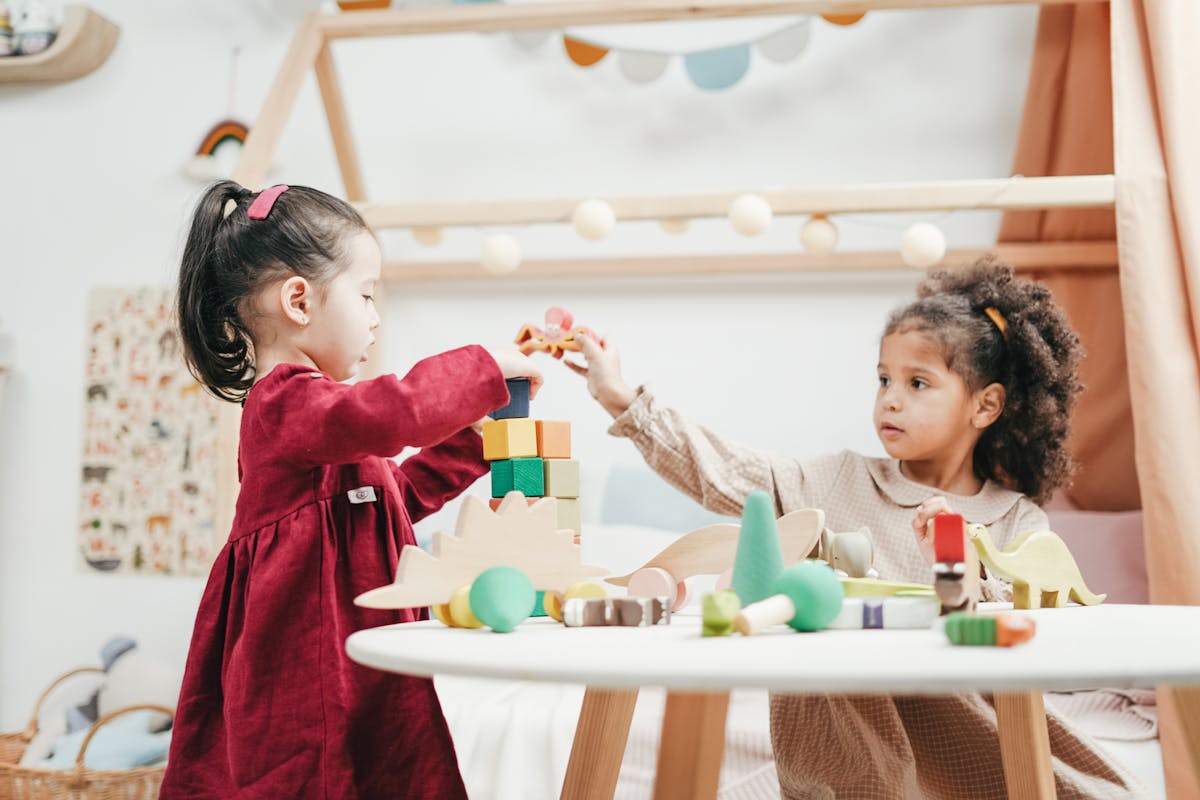
7 Ways to Respond Instead of React During Tantrums
Every parent knows the feeling: your child is in the middle of a meltdown, and every nerve in your body is screaming at you to react. But reacting — whether with anger, frustration, or sheer desperation — rarely helps. What does help is responding.
The difference between reacting and responding comes down to one thing: a pause. That brief moment between stimulus and response is where your best parenting lives.
1. Take the Pause
Before you say or do anything, take a breath. A single slow exhale activates your parasympathetic nervous system and helps bring your rational brain back online. Three seconds is all it takes to shift from reaction to response.
2. Get Low
Physically lower yourself to your child's eye level. This one shift changes everything — it signals safety, not threat. Children in the middle of a storm need to feel their safe person is near, not looming overhead.
3. Name What You See
Instead of telling your child to stop or calm down, try naming the emotion you see: "I can see you're really frustrated right now." This simple act of acknowledgment helps the emotional part of their brain relax because they feel understood.
4. Avoid Reasoning in the Moment
When a child is flooded with emotion, their prefrontal cortex — the rational thinking part of the brain — is essentially offline. Trying to reason, explain consequences, or teach lessons in the midst of a meltdown will fall on deaf ears. Wait until the storm has passed.
5. Offer Your Presence, Not a Solution
Sometimes all a child needs is to know you're there. Sit nearby. Stay calm. Offer a gentle hand if they want it. You don't need to fix the feeling — you just need to be present with it.
6. Use a Calm, Low Voice
Your nervous system is contagious. When you speak softly and slowly, you're actually sending a co-regulation signal to your child's brain. Your calm becomes their calm — eventually.
7. Reconnect After, Then Teach
Once the storm has passed and both of you are calm, that's the time for gentle connection and, if appropriate, a brief conversation about what happened. Repair the relationship first, then revisit the behavior.
The Takeaway
Parenting through big emotions is not about being perfect — it's about being present. Every time you respond instead of react, you're teaching your child that emotions are manageable, relationships are safe, and they are never alone in their feelings.
Want to Go Deeper?
Everything in this article is covered in much more depth in our flagship parenting course — with practical tools, video lessons, and a community of 20,000+ parents.